
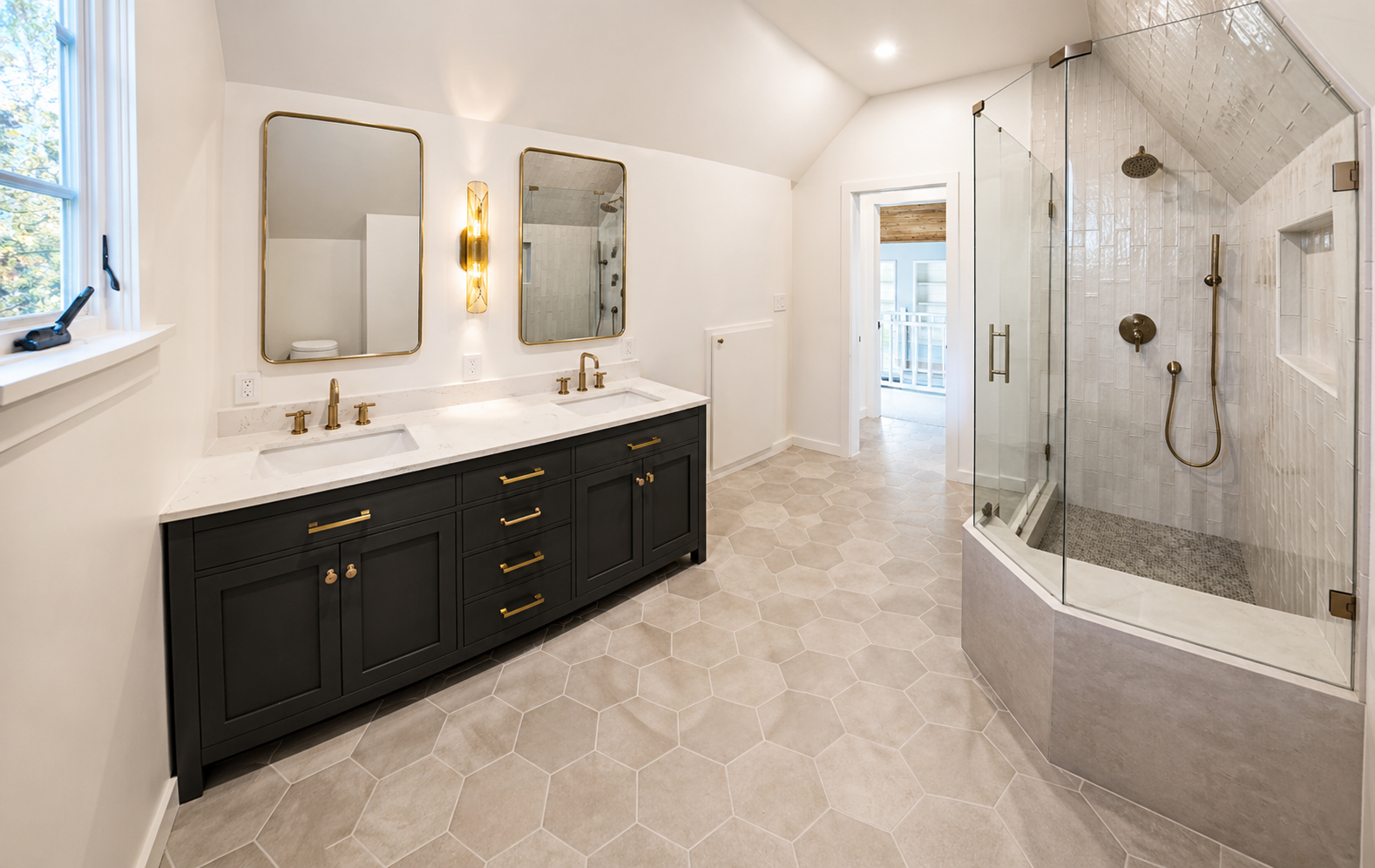
A bathroom remodel sounds simple until you start pulling up old tile and find out what's behind it. Portland homes, especially the older ones scattered through Hawthorne, Richmond, and the surrounding neighborhoods, often hide a few surprises once the walls open up. Knowing what a solid remodel actually involves, and who you're trusting to do it, matters more than picking a tile pattern off Pinterest.
Rip City Construction & Remodeling LLC has been doing bathroom work out of our shop on SE Hawthorne Blvd for a while now, and the questions we get from homeowners tend to repeat themselves. This post walks through the practical side of a Portland bathroom remodel: what drives cost, what to plan for, and where things typically go sideways if nobody's paying attention.
Why Bathrooms Are Different From Other Remodels
Bathrooms pack more systems into a small footprint than almost any other room in the house. Plumbing, electrical, ventilation, and waterproofing all have to work together in a space that might be eight feet by ten feet. That's part of why bathroom remodeling is its own category of work rather than something tacked onto a general punch list.
Older Portland homes add another layer. Galvanized pipe, undersized exhaust fans, and subfloor damage from decades of slow leaks are common finds once demo starts. A contractor who's done this kind of work around the city knows to budget time and flexibility for what's behind the wall, not just what's on the mood board.
What Goes Into a Portland Bathroom Remodel
Our bathroom remodeling projects usually fall into a few categories: full gut renovations, shower and tub conversions, and layout changes where a wall moves to make room for a larger vanity or a walk-in shower. Tile selection is a big part of the conversation early on, since it affects both the look and the long-term durability of the space. Custom tile work, vanity installs, and shower pans built to handle daily use are where most of the budget and most of the decisions live.
Layout upgrades come up often too, especially in houses built before accessibility and storage were top of mind. Moving a toilet a few inches, widening a doorway, or swapping a tub for a curbless shower can change how a bathroom functions without expanding its footprint. These changes take more planning than people expect, since plumbing lines and venting don't always move as easily as drywall.
Timeline and Process
A typical bathroom remodel in Portland runs anywhere from two to four weeks once demo starts, depending on scope and whether any structural or plumbing surprises show up. The early phase, before a single hammer swings, matters just as much: selecting materials, finalizing the layout, and getting a clear scope of work written down so there's no guessing later. We walk every project through design, material selection, and a realistic schedule before construction begins, because vague timelines are where trust in a contractor starts to erode.
During construction, communication is what separates a smooth project from a frustrating one. Homeowners should expect regular updates, especially if something unexpected turns up once tile or drywall comes down. Good contractors flag problems early instead of letting them pile up until the end.
A Small Story From the Field
One remodel near Hawthorne started as a straightforward tile and vanity swap, until the crew pulled the old tub and found the subfloor had been soft for years under a slow leak nobody knew about. The schedule shifted by about a week to replace the damaged framing and subfloor before any new tile went in. The homeowner ended up glad it was caught then instead of a year later, which is usually how these things go once you're actually inside the walls.
Bathrooms, Kitchens, and the Rest of the House
Bathroom remodels rarely happen in a vacuum. Homeowners planning a bathroom update often end up asking about related work at the same time, whether that's a kitchen remodel down the hall, finishing an unfinished basement into usable space with basement remodeling, or adding square footage altogether through an ADU or home addition. It's worth mentioning all of it up front during the first conversation with a contractor, even if the bathroom is the only project on the table right now. Scheduling and budgeting get easier when the bigger picture is on the table from day one.
For property owners handling tenant improvements or office space rather than a residence, commercial bathroom and build-out work falls under a different process. Our commercial remodeling projects follow similar principles around durability and code compliance, just scaled to a different use case.
Picking the Right Materials for Portland's Climate
Moisture management is non-negotiable in a Portland bathroom. The region's wet winters mean ventilation and waterproofing can't be an afterthought, especially behind tile and around shower pans. Choosing the right backer board, waterproofing membrane, and exhaust fan sizing isn't glamorous work, but it's the difference between a bathroom that lasts fifteen years and one that needs tile repair in five.
Material choices also affect maintenance down the line. Natural stone looks great but needs sealing; porcelain tile handles moisture and wear with less upkeep. A contractor should walk through these tradeoffs honestly rather than just pushing whatever's trending, since the homeowner is the one living with the choice long after the crew packs up.
For homeowners thinking beyond the bathroom toward whole-home efficiency, it's also worth asking about solar panel maintenance if panels are already on the roof or in the plan, since keeping them clean affects how much they actually produce. We work alongside Northwest Solar Clean on projects where homeowners are tackling both remodeling and solar upkeep at the same time, and it's a natural pairing for anyone already investing in their home's long-term performance.
Questions to Ask Before Hiring a Contractor
A few questions tend to separate a contractor who knows bathroom work from one who's guessing. Ask how they handle unexpected issues once demo starts, since every older home has at least one surprise waiting. Ask for a clear written scope of work rather than a verbal estimate, and ask how they sequence trades like plumbing and electrical so nothing gets covered up before it's inspected.
It also helps to ask about past projects in your specific neighborhood. Contractors who've worked across Portland's older housing stock, from Hawthorne to the surrounding streets, tend to recognize patterns in plumbing age, foundation quirks, and permitting requirements that an out-of-area crew might miss entirely.
Getting Started
If a bathroom remodel has been sitting on a list for a while, the best next step is usually just a conversation. Rip City Construction & Remodeling LLC is based at 7648 SE Hawthorne Blvd in Portland and keeps office hours Monday through Friday, 8:00 AM to 5:00 PM. Reach out at (971) 344-3806 or info@ripcityconstruction.com to talk through scope, budget, and timeline before anything gets scheduled.
FAQ
How long does a bathroom remodel take in Portland?
Most full bathroom remodels take two to four weeks once demolition begins, though older homes with hidden plumbing or structural issues can extend that. Ask your contractor for a realistic range rather than a single fixed date.
What's the biggest cost driver in a bathroom remodel?
Tile, custom shower builds, and plumbing or layout changes typically drive cost more than fixtures alone. Moving plumbing lines or widening a doorway adds labor that a simple surface refresh wouldn't require.
Do older Portland homes need special attention during a remodel?
Yes, older homes often have galvanized pipe, undersized ventilation, or subfloor damage that isn't visible until demo starts. A contractor familiar with Portland's housing stock will budget time and flexibility for these kinds of finds.
Can I combine a bathroom remodel with other home projects?
Many homeowners pair bathroom work with a kitchen remodel, basement finishing, or an ADU addition to save on scheduling and planning overhead. It's worth mentioning any other projects during your first conversation with a contractor, even if they're not ready to start yet.